
Creating ourselves through the past
The way we see the world around us is informed by what has come before. Our sense of self is informed by our personal history, our family history (or lack thereof), the legacy of the places we grow up in and visit, and the histories of the communities we belong to. We create ourselves through understanding where we have come from, and by using that to imagine where we may go.
Of course, this act of creation is much easier to do if you can find and access records and narratives about people like you. It’s a well-worn cliché to say that history is written by the winners, but it’s true; the narrative of what has happened is owned by those in positions of power. And so, if the dominant narrative of history uplifts the voices of people who look and live like you, it will be much easier to identify those stories, and therefore to identify and understand yourself.
We learn about and understand our histories through documentation of events, records of things that occurred that we make sense of the murky complexities of history. The voices that are given prominence at the time of writing will always be the ones that have a better chance of surviving. So, it’s easy to see how much of our understanding of history can be informed by just one aspect of the complexities of human identity – the dominant voice, which is so often cisgender, heterosexual, white, and male.
Who gets left behind?
There’s also an inherent bias in what will be considered an authoritative historical record, which impacts what will be valuable. Archives exist to do the work of gathering, preserving, and maintaining historical records. But these institutions require resources and funding to exist, and that usually means being tied fundamentally to structures that do not care about marginalized experiences beyond the very basics, or in some cases even actively disregard them.
Voices are missing from the archive, experiences and communities get left out and lost. Sometimes it’s because their contributions aren’t considered important due to bigotry, and sometimes because the marginalized people and communities choose not to involve themselves with the institutions that gather those histories, and with good reason. It can also be because the way that memory and history is constructed traditionally, does not match with their own, and the idea of ‘permanently preserving’ anything feels less important than the work of supporting and caring for the living members of their community.
This is the complicated and imbalanced world we find ourselves in, and it’s important to hold in mind when we consider the value of LGBTQ+ history overall, and in particular why we should care about exploring and uplifting bi+ history.
Why LGBTQ+ history matters
Talking about LGTBQ+ history is about more than just understanding the experiences of all those that came before, it’s also about the lives of people living now. Learning about and having access to information about your community’s history can have a real impact on daily life, wellbeing, and even safety.
Bisexual+ people can face negative treatment and exclusion from both heterosexual people and the LGBTQ+ community. A common biphobic misconception is that bisexual+ people do not have a right to be in LGBTQ+ spaces, or that they have to be in a relationship with someone of the same gender to count as ‘queer enough’. For a bisexual+ person, this can increase isolation and result in a loss of community, and a lack of access to resources, and understanding about their own identity.
Having access to information about the history of the bisexual+ community and the many examples of bisexual+ activists who have contributed to the LGBTQ+ community can relieve some of this isolation and stress about not feeling ‘queer enough’. It can also help people understand their identities better as they will have more awareness of writing and thinking about what it means to be bisexual+ from other bisexual+ people.
Many of the conversations and discussions that happen with the LGBTQ+ community have happened before, particularly when it comes to bisexual+ identity.
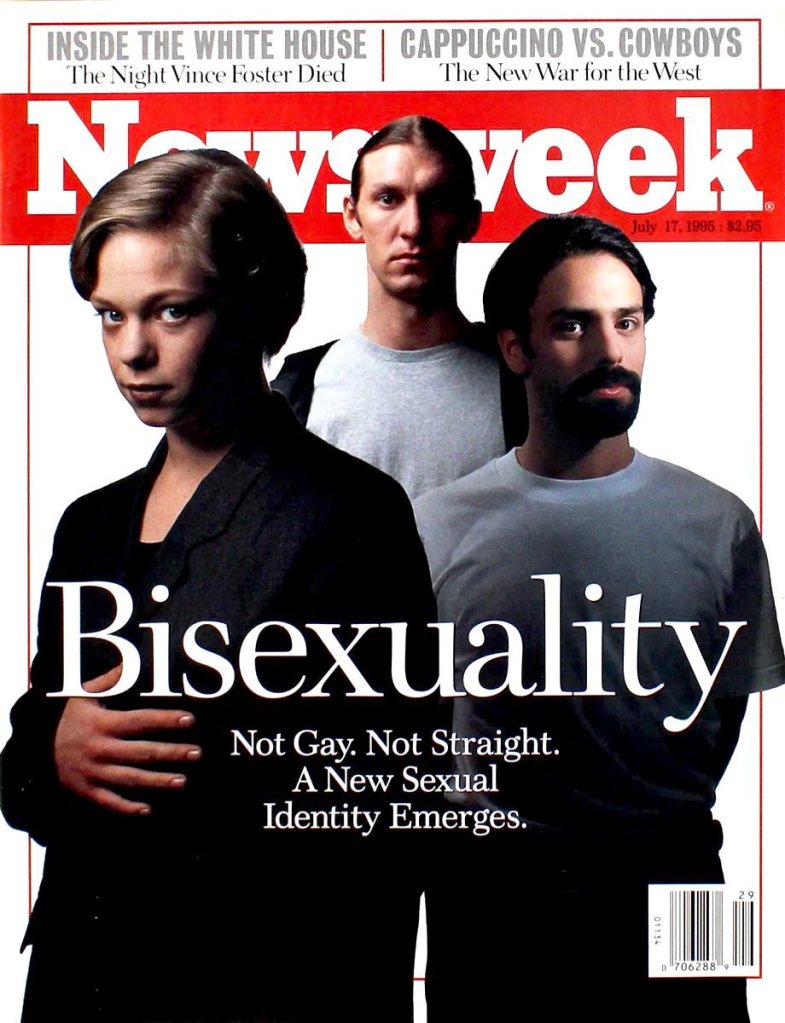
For example, the biphobic idea that bisexuality erases non-binary people because it only means attraction to men and women has been discussed and challenged in many books, essays, and articles about bisexuality from the 80s and 90s. Having an awareness of these topics may give a bisexual+ person more confidence to challenge the misconceptions and biphobia that they encounter, and encourage debate to move on from topics like whether bisexual+ people should be allowed into LGBTQ+ at all, and on to more important subjects like how we can create bisexual+ inclusive spaces, and support the unique needs of the bisexual+ community.
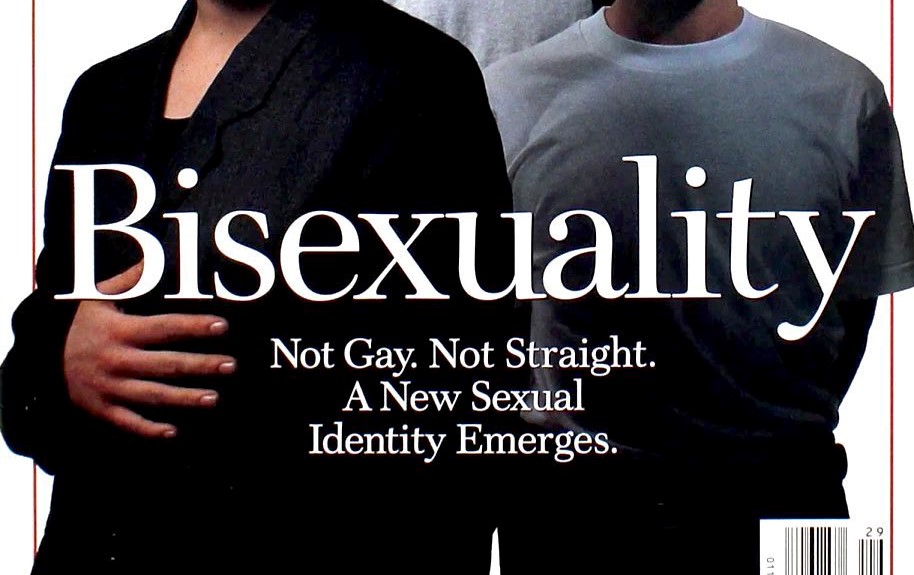
Often work around LGBTQ+ history gets reduced to ‘lesbian and gay’ history, despite the fact this erases the existence and work of bisexual and transgender people. Naming the existence of bisexual+ history is itself a radical act; there is no clean divide between the history of lesbian or gay people and the history of bisexual+ people, because these are relatively new, Western identifiers that not everyone throughout history had access to. But talking specifically about the history of the bisexual+ community means that we are reclaiming a space for bisexual+ identity and community.
The future is bright
Improving access to bi+ history is not just about making bi+ people feel less alone or helping us to understand ourselves, it’s also about making the world a better place for LGBTQ+ people to be. For example, the recent changes to the curriculum in Scotland, which came after petitioning from the Time for Inclusive Education (TIE) Campaign, ensured that LGBT inclusive education would be in place in all state schools, and LGBT themes are now supposed to be embedded into the national curriculum. TIE continue to work to address prejudice through education.
Bisexual+ experiences and lives have been a part of the history of our world, as long as anything else in it (including heterosexual experiences). The terms we use now to understand and define our identities are modern, Western words that are applied to fundamental human experiences and emotions that surpass the boundaries of language and culture. However, we can still recognize the incredible complex, bountiful, challenging, and valuable history of the bi+ community.
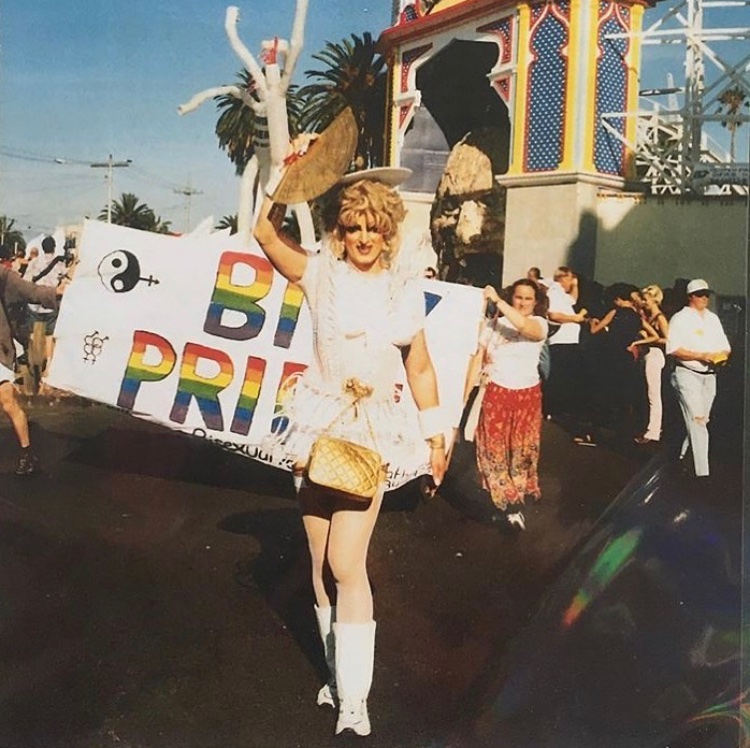
From bisexual activists in the 80s and 90s, fighting for their rights and the rights of the LGBTQ+ community, to famous figures falling in love and lust with people of multiple genders – our community history is vast and deserving of exploration, preservation, and celebration.
For me, learning about and sharing my interest in bi+ history has helped me to understand myself, to find community, and to support others on that journey, and that is a very valuable thing indeed.
Sources and further reading:
- How LGBT inclusive education can change lives https://www.stonewall.org.uk/how-lgbt-inclusive-education-can-change-lives
- The Bisexuality Report https://bisexualresearch.files.wordpress.com/2011/08/the-bisexualityreport.pdf
- Invisible Majority https://www.lgbtmap.org/file/invisible-majority.pdf
- How Biphobia Impacts Black Bisexual Mens Health
- http://blackyouthproject.com/how-biphobia-impacts-black-bisexual-mens-health/
- Women and Bisexuality by Sue George https://books.google.co.uk/books/about/Women_and_bisexuality.html?id=308gAQAAIAAJ&redir_esc=y
- Bisexual Horizons: Politics, Histories, Lives https://books.google.co.uk/books/about/Bisexual_Horizons.html?id=EfZ_QgAACAAJ&redir_esc=y
 Bi History
One response to “Why care about bisexual+ history?”
[…] Why care about bisexual+ history? https://bihistory.wordpress.com/2023/09/20/why-care-about-bisexual-history/ […]